
1win Deposit Malaysia: Cashier Guide, Methods and Fixes
Adding funds to a 1win account is the starting point before playing any of the crash games or other titles covered on this site. The process is meant to be quick. Log in, open the cashier, pick a method, enter an amount, and confirm. This page walks through that cashier flow step by step. It covers the deposit methods and currencies a player typically sees, gives a few example amounts in Malaysian ringgit, and explains how a balance update usually shows up. It also covers what to do if a deposit fails or gets stuck pending, plus a short warning on deposit scams worth reading before sending any payment details.
Last reviewed: August 2026.
Key Takeaways
- Depositing on 1win generally follows a standard cashier flow: log in, open the cashier, choose a method, enter an amount, confirm.
- Cards, e-wallets and several cryptocurrencies are supported. Local Malaysian rails are worth checking directly in the cashier since availability can vary.
- There’s no fixed minimum amount stated here; check the current figure shown in the cashier before confirming.
- Deposits are usually credited very quickly, though this can occasionally vary by method.
- If a deposit fails or stays pending, checking the payment method first and contacting support with a transaction reference is the practical next step.
- Never share a one-time password (OTP) or account password with anyone offering to help with a deposit.
Making a Deposit: The Cashier Flow Step by Step
Depositing on 1win follows the same basic pattern used across most online gaming platforms. It starts with logging into an existing account. From there, a player generally opens the cashier or deposit section. It’s often reached through a wallet icon or a balance figure shown in the account menu, rather than a separate standalone page.
Inside the cashier, the available deposit methods are listed together. A player picks whichever card, e-wallet or cryptocurrency option fits best. After selecting a method, the next step is entering an amount, sometimes using a quick preset value and sometimes typing a custom figure directly into the field. Once the amount looks right, confirming the payment hands the request over to the selected method’s own processing. That could mean a card network, an e-wallet provider, or a blockchain confirmation for crypto.
The final step happens automatically. Once the payment method confirms the transaction on its side, the 1win account balance updates to reflect the new funds. The amount then becomes available for play. This sequence, login, cashier, method, amount, confirmation, balance update, is the general shape of a deposit regardless of which specific method gets chosen. The exact screens and wording in the cashier can shift slightly as the platform updates its interface over time.
Choosing a Deposit Method and Currency
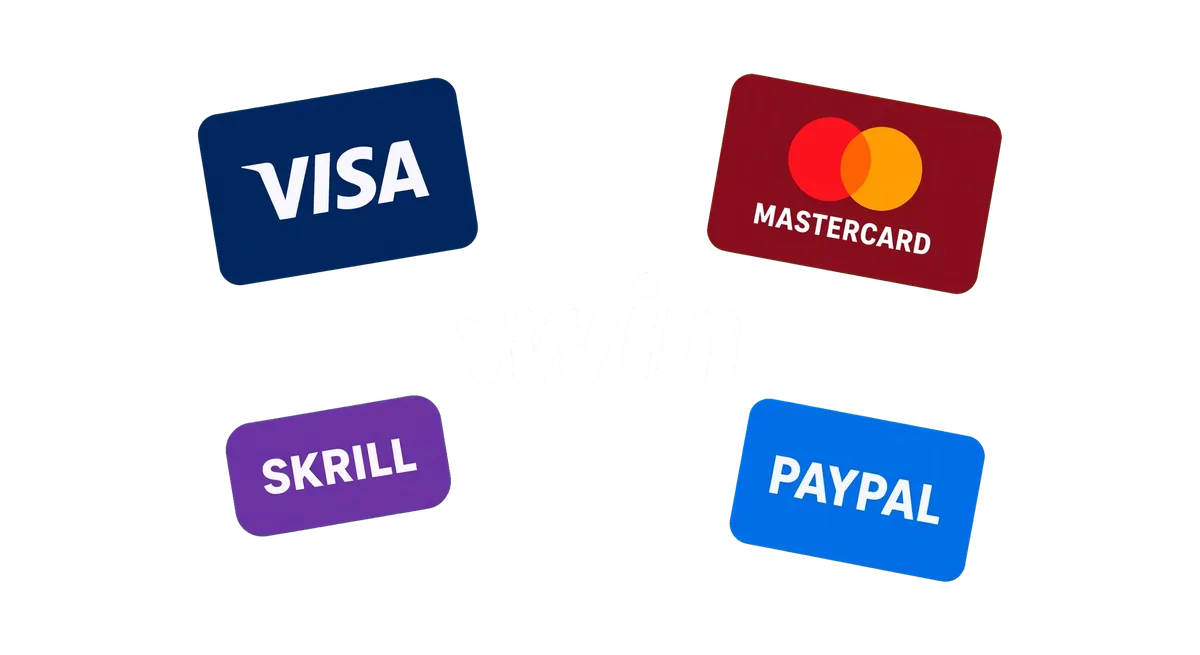
1win’s cashier generally lists several categories of deposit method rather than a single option. Card payments through Visa and Mastercard are commonly available, alongside e-wallet options such as Skrill and PayPal. For players who prefer digital assets, a range of cryptocurrencies is typically supported, including Bitcoin, USDT, Ethereum, TRX, XRP, Dogecoin, Litecoin and DASH.
Malaysian players often look specifically for local rails such as DuitNow, Touch ‘n Go, GrabPay, Boost or FPX. These are worth checking directly in the cashier. Availability can vary and isn’t something to assume by default. Opening the cashier and reading the current method list beats relying on an assumption from elsewhere.
Currency handling generally follows the method chosen. Some methods process directly in ringgit, and others convert through a supported currency depending on how the method itself works. A full breakdown of every method, including which currencies and card types are accepted, is covered in more depth on the 1win payment methods page. That page is the better reference point than this one for method-specific detail.
Whichever method gets picked, sticking with the same one for future deposits tends to keep things simpler. Many platforms match a later withdrawal method to the deposit method used, though withdrawal specifics sit outside what this page covers.
Deposit Amounts in Ringgit (RM)
Amounts entered into the cashier are generally straightforward. A player might choose a round figure such as RM 50, RM 100, RM 200 or RM 500, depending on personal budget and how much play is planned. The cashier interface itself accepts either a quick preset button or a manually typed value. There is typically a low minimum stake required to start. The exact current figure is best confirmed directly in the cashier at the time of depositing, since minimums can differ by payment method and can change over time.
There isn’t a fixed number stated here for a maximum either. Higher deposit amounts are sometimes subject to additional verification, depending on the method and the platform’s own risk checks. This is standard practice across regulated payment processing generally, not something specific to one operator. Choosing an amount that fits a personal budget, rather than the highest figure the cashier allows, is the more sensible approach.
Confirmation and Balance Update
Once a deposit is confirmed inside the cashier, 1win’s system checks the transaction with the selected payment method: a card network, an e-wallet provider, or a blockchain network for crypto. Deposits are usually credited very quickly once confirmed, though this can occasionally vary by method. Some payment rails naturally take a little longer to settle than others, depending on how they process transactions on their end.
When the balance updates, the new figure typically appears directly in the account without needing a manual refresh. Closing and reopening the cashier or account page is a reasonable step if the number doesn’t move right away. A confirmation message or reference number is often shown at this stage. It’s worth keeping that reference in case it’s needed later, particularly if a deposit needs to be looked into further.
Troubleshooting Failed or Pending Deposits
Deposits don’t always go through cleanly on the first attempt. A failed or pending status is usually solvable without much difficulty. The first thing worth checking is the payment method’s own app or bank statement. A deposit that looks stuck on 1win’s side may already show as completed or declined on the payment method’s own records.
A common cause of a failed deposit is a small typo somewhere in the payment details, such as a mistyped card number or wallet address, so double-checking exactly what was entered is a sensible second step. If the deposit still shows as pending, waiting a short period is often enough. Processing can occasionally take a little longer depending on the method, particularly for certain crypto network confirmations that depend on broader network activity rather than anything the platform controls directly.
If a deposit still hasn’t resolved after checking the payment method and allowing some time to pass, contacting 1win support with the transaction reference number is the most direct way to get it looked into. Support is available 24/7 through live chat, email and phone. Having the reference number ready when reaching out tends to speed up how quickly the issue gets resolved.
Staying Safe: Avoiding Deposit Scams
Depositing money is also the point in the process where scams most commonly target players, so a few basic precautions are worth keeping in mind. A one-time password (OTP), an account password, or full card or bank details should never be shared with anyone. This includes anyone claiming to help complete or speed up a deposit. No legitimate part of a deposit process requires handing over a password or OTP to a third party.
Before entering any payment details, checking that the site domain being used is correct is a simple habit. It prevents a large share of common scams, since fake look-alike pages are a known tactic used to intercept payment information.
Unofficial «agents» or unsolicited messages offering to top up an account on someone’s behalf are also worth treating with suspicion. A deposit made directly through 1win’s own cashier, using a method a player controls, is the more reliable way to know funds go where they belong. It’s also worth remembering that 1win operates under a Curacao gaming license. That’s a genuine international licensing framework, but it is not the same thing as Malaysian regulatory approval.
FAQ
Is there a fee for depositing on 1win?
No specific fee percentage is stated here, since this can depend on the method chosen and its own processing terms. Checking the cashier at the time of depositing shows any fee tied to a particular method.
What is the minimum deposit amount?
There is typically a low minimum stake to get started, though the exact current figure is shown directly in the cashier once a method is selected, rather than fixed permanently at one number.
How long does a deposit usually take?
Deposits are usually credited very quickly once confirmed, though this can occasionally vary by method depending on how that particular payment rail processes transactions.
Are DuitNow, Touch ‘n Go, GrabPay, Boost or FPX available for deposits?
These are the kind of local rails Malaysian players often look for, and they’re worth checking directly in the cashier, since availability can vary and isn’t something to assume by default.
What should be done if a deposit fails or stays pending?
Checking the payment method’s own records for confirmation, double-checking the details entered, and allowing a short period for processing usually resolves it. Contacting support with a transaction reference is the next step if it still hasn’t cleared.
Is it safe to deposit on 1win?
Using the cashier’s own listed methods, keeping login and payment details private, and confirming the correct domain before entering any information are the practical steps that reduce risk. No deposit process anywhere removes all risk regardless of platform, so basic caution still matters.