
1win Lucky Jet Malaysia: Jetpack Crash Game Guide
Lucky Jet is one of the more recognisable rising-multiplier games on 1win, built around a jetpack character rather than a plane or rocket icon. Malaysian players searching for the title usually want the same three things: a clear picture of how a round works, whether cashout timing can be controlled, and whether it is possible to get comfortable with the game before risking real balance. This guide covers the mechanic, the interface, the demo mode, and the practical differences between Lucky Jet and other crash-style titles, without treating any round outcome as predictable.
Last reviewed: August 2026.
Key Takeaways
- Lucky Jet is a 1win Originals title, built in-house rather than sourced from an outside studio.
- Each round centres on a jetpack character that climbs while a multiplier rises from x1.
- Players cash out manually, or through an auto-cashout setting if that option is enabled, before the character disappears.
- A free demo version of Lucky Jet exists and lets players explore the interface without spending real money.
- The round-history list and multiplier display are the main tools for reading the screen, though past rounds do not predict future ones.
What Lucky Jet Is and Where It Comes From
Lucky Jet is a 1win Originals game, developed in-house for the platform rather than licensed from an outside studio. That matters because Originals titles are built specifically around 1win’s own interface conventions, betting panel, and round-history display. They are not a reskinned game distributed across many different operators.
The game sits in the rising-multiplier, or crash-style, family, where a round runs on a visible curve that climbs until it stops unexpectedly. Lucky Jet’s identity within that family comes from its central character: a small figure wearing a jetpack, rising against the backdrop as the multiplier increases, rather than an airplane silhouette or a rocket icon.
1win operates under a Curacao gaming license, so Lucky Jet sits within the same regulatory framework as the rest of the catalogue. For a broader look at how Originals titles compare with games from external developers, the game providers overview breaks down the studios and in-house titles available on the platform.
How a Lucky Jet Round Plays Out
A Lucky Jet round starts once every player places a stake before the jetpack character lifts off. The character then rises from the bottom of the screen while a multiplier counter climbs in step, starting at x1 and increasing continuously for as long as the character stays airborne. There is no fixed script for how high a round will climb. Some rounds end within seconds; others run much longer.
The defining risk in Lucky Jet is timing. The character eventually flies off the top of the screen or simply vanishes, and that moment ends the round for anyone who has not already secured their multiplier. Any stake still in the round at that point is lost, regardless of how high the multiplier had climbed a moment earlier. This is what separates Lucky Jet from a fixed payout table: the potential multiplier keeps growing the longer the round lasts, but so does the chance it ends before a player acts.
Because the round relies on a random number generator, there is no pattern to memorise and no way to know how long a round will run. Round history, covered below, shows what already happened, but it does not forecast a new round.
Manual and Auto Cashout
Cashing out in Lucky Jet means pressing the cashout button while the round is active. Doing so locks in whatever multiplier is showing at that instant and ends that player’s part in the round with the corresponding return. This manual action is the core skill of the game: a stake placed early can grow simply by staying in the round longer, but only if the player reacts before the character disappears.
Some versions of the interface also offer an auto-cashout setting, letting a player set a target multiplier in advance so the game attempts to cash out automatically once that level is reached, if the option is enabled and available in that session. This can suit players who want a consistent approach without watching every round closely. It does not change the odds, and it does not guarantee the target will be reached before the round ends.
The stake is only protected once the cashout has actually registered, whether manual or automatic. A round that ends a fraction of a second early still results in a lost stake. Treating cashout as an active decision rather than a passive setting is generally the more reliable approach.
Reading the Interface and Round History
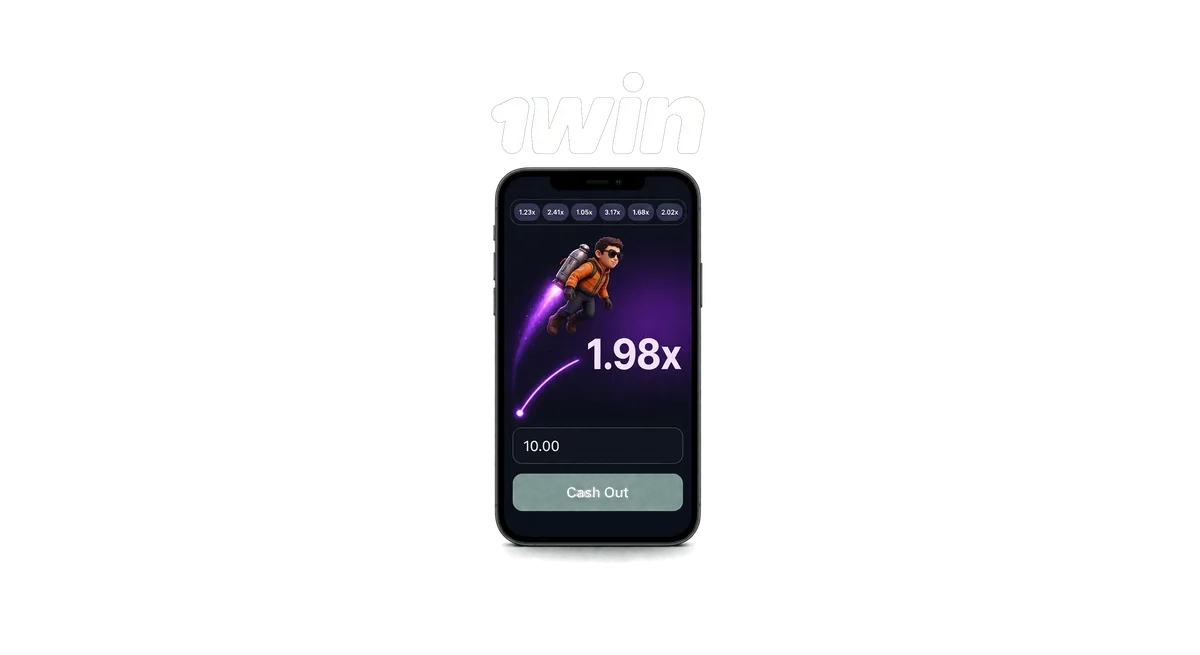
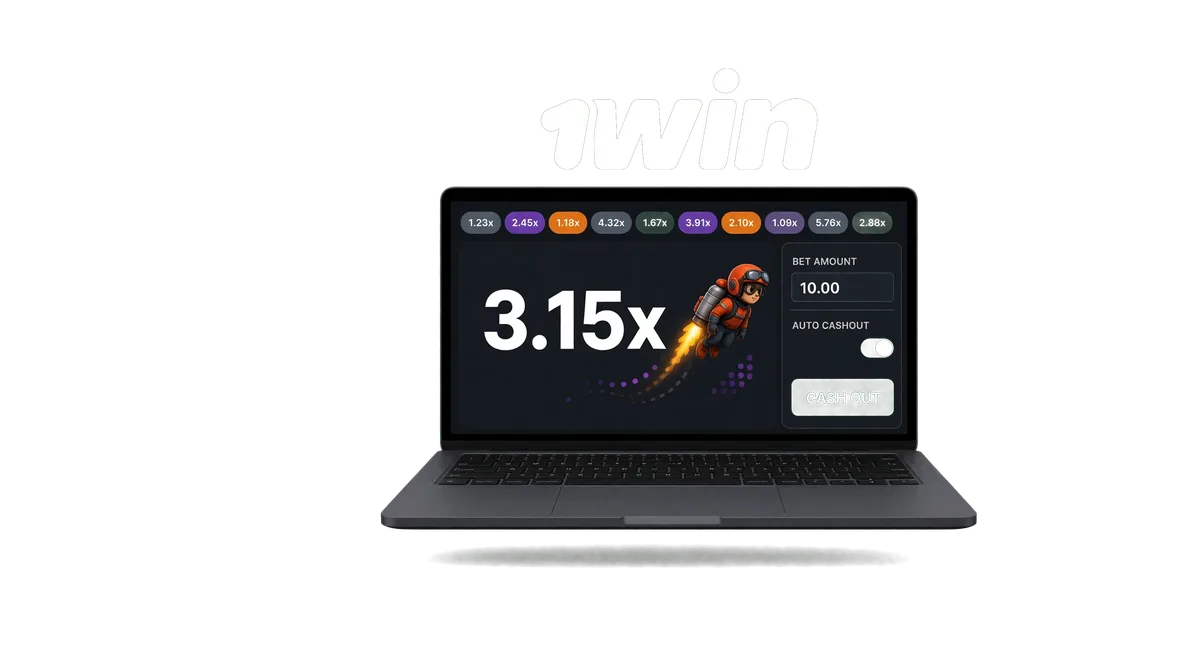
The Lucky Jet screen has three main zones: the animation area where the jetpack character rises, a large multiplier readout that updates continuously, and a betting panel where stakes are placed and the cashout button sits once a round is live. The current multiplier is usually the most prominent number on screen, growing larger and changing colour as it climbs, giving a quick visual cue of how far a round has progressed.
Alongside the animation, Lucky Jet keeps a round-history list, usually a horizontal strip near the top of the window, showing final multipliers from recent completed rounds. This is a useful orientation tool for anyone new to the interface, since it shows the range of outcomes the game has produced recently, from rounds that ended almost immediately to ones that ran much longer. This history is a record, not a forecast. Each new round is generated independently.
Reading these elements together, the rising multiplier, the betting panel, and the history strip, is mostly about building comfort with the pace of the game rather than extracting patterns from past results.
Lucky Jet Demo: Practicing Without Real Money
A free demo mode for Lucky Jet does exist, letting players run rounds with play credits instead of real balance. This is a standard part of the game, not a limited-time trial, so it stays available whenever a player wants to revisit it.
The demo version is most useful for getting familiar with the pace of a round before betting real money. In demo mode, a player can watch how quickly the multiplier tends to move, practise the timing of pressing cashout, try setting an auto-cashout target if available, and get comfortable reading the round-history strip, all without financial risk.
Specific figures such as RTP and bet limits are shown inside the game’s own info panel and can be checked there rather than treated as fixed here, since details can vary by version. The demo mode does not change those figures, and outcomes in demo play are still generated randomly, so a comfortable demo run is not a preview of a real-money session. Its value lies in building familiarity with the controls, not in forecasting results.
Playing Lucky Jet on Mobile
Lucky Jet is designed to run in a mobile browser, adapting the layout so the animation area, multiplier readout, and betting panel remain usable on a smaller screen. Players in Malaysia who prefer to check a round quickly between other tasks generally access it this way, without needing a separate download.
Where a dedicated mobile app is available for the platform, Lucky Jet typically appears within the app’s game library, using the same round mechanics and interface logic as the browser version. The core experience, jetpack character, rising multiplier, cashout button, and round-history strip, stays consistent across devices, so switching between desktop and phone does not change how a round plays out. Connection stability matters more on mobile, since a lagging cashout tap during a fast-moving round can mean the difference between locking in a multiplier and missing the window entirely.
How Lucky Jet Differs From Aviator-Style and JetX-Style Games
Lucky Jet belongs to the same broad family as Aviator-style and JetX-style games, but the visual identity differs in each case. Aviator-style titles typically show a small airplane moving across the screen, while JetX-style games lean on a rocket or jet graphic climbing vertically. Lucky Jet instead centres the round on a single jetpack-wearing character, giving it a more personal, almost cartoon-like feel compared with the vehicle-based imagery used elsewhere in the category.
Beyond the visuals, the underlying logic across these titles is broadly similar: a multiplier starts low and climbs for an unpredictable stretch of time, and players decide when to cash out before the round ends. The details that vary, such as the pace of multiplier growth, the interface layout, and features like round-history strips, tend to matter most in practice when choosing between them. Readers wanting a fuller side-by-side look at how Lucky Jet stacks up against other rising-multiplier titles can check the comparison hub, and anyone wanting a broader view of the category can browse the full crash games selection on the platform.
FAQ
Is Lucky Jet made by 1win or by an outside studio?
Lucky Jet is a 1win Originals title, developed in-house rather than sourced from a third-party studio.
What does the jetpack character actually do during a round?
The character rises continuously while the multiplier climbs from x1, and the round ends once the character flies off-screen or disappears.
Can I try Lucky Jet without spending real money?
Yes, a free demo mode is available, letting players run rounds with play credits and get used to the interface before using a real balance.
Does Lucky Jet have an auto-cashout feature?
An auto-cashout setting may be available if enabled, allowing a target multiplier to be set in advance, though it does not remove the risk of the round ending first.
What is the round-history list for?
It shows the final multipliers from recent completed rounds as a reference point, though it does not predict what any new round will do.
Is Lucky Jet available on mobile devices?
Yes, it runs in a mobile browser and, where a dedicated app exists, inside that app too, using the same core mechanics as the desktop version.